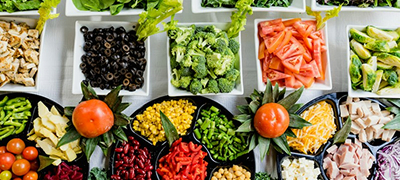


The kidneys filter over 150 litres of blood every day, maintain fluid balance and eliminate metabolic waste. Yet the modern diet — overloaded with salty, processed and fatty foods — can gradually burden these organs. Foods for kidney health are not a dietitian’s whim; they are a practical, evidence-based way to protect your kidneys before problems arise.
What you eat directly affects the strain on your kidneys: too much salt, phosphorus, potassium and protein forces them into overdrive. A balanced diet built around the right foods helps reduce inflammation, support healthy filtration and protect kidney tissue from damage.
In this article we cover 10 science-backed foods for kidney health. You will find a quick-reference nutrient table, a detailed breakdown of each food with specific servings, a 7-day meal plan, synergistic combinations and answers to the most common questions.
Table of Contents
How We Selected These Foods
- Proven impact on kidney function — confirmed by peer-reviewed research (PubMed, Cochrane Library).
- Widely available in regular grocery stores — no exotic or expensive substitutes.
- Naturally low in sodium, phosphorus and potassium.
- No significant contraindications for the general healthy population in moderate amounts.
Summary Table: TOP 10 Foods for Kidney Health
| # | Food | Key Nutrients | Main Effect on Kidneys |
|---|---|---|---|
| 1. | Cranberries | Proanthocyanidins, vitamin C, antioxidants | Prevents bacterial adhesion to urinary tract walls |
| 2. | Cabbage | Vitamins K, C, B6, folate, fibre | Reduces blood toxin levels, supports kidney function |
| 3. | Garlic | Allicin, manganese, vitamin B6 | Anti-inflammatory and antibacterial, protects kidney tissue |
| 4. | Cauliflower | Vitamin C, K, folate, fibre | Low potassium and phosphorus content, safe in CKD |
| 5. | Apples | Pectin, vitamin C, quercetin | Reduces inflammation, removes excess cholesterol |
| 6. | Blueberries | Anthocyanins, vitamin C, fibre, manganese | Protects kidney cells from oxidative stress |
| 7. | Olive oil | Oleocanthal, polyphenols, omega-9, vitamin E | Reduces inflammation, supports lipid profile |
| 8. | Egg whites | Complete protein, minimal phosphorus | High-quality protein with low kidney load |
| 9. | Onions | Quercetin, chromium, vitamin C | Antioxidant action, supports fluid excretion |
| 10. | Radish | Vitamin C, anthocyanins, fibre | Stimulates urination, supports uric acid excretion |
Foods are listed in order of the strength of evidence for their kidney benefit. Full details on each food follow below.
Detailed Review: Foods for Kidney Health and Why They Work
1. Cranberries — Natural Protection Against Urinary Tract Bacteria
Why they help: Cranberries contain type-A proanthocyanidins (PAC-A) that prevent E. coli from adhering to the bladder and urethral walls. A study in the Journal of Urology found a 35% reduction in UTI recurrence risk with regular cranberry consumption.
🍽 Serving: 100–150 g fresh or frozen cranberries per day, or 150–200 ml unsweetened cranberry juice.
👌 Best way to eat: Fresh or frozen berries are preferable to sweetened juice.
⚠️ Note: people taking warfarin should consult their doctor.
2. Cabbage — Detox Support Without Kidney Overload
Why it helps: Isothiocyanates in cabbage provide anti-inflammatory benefits and reduce oxidative stress in kidney tissue. It is naturally low in potassium and phosphorus, making it safe even in CKD diets.
🍽 Serving: 150–200 g per day, raw, braised or cooked.
👌 Best way to eat: Fresh or braised — sauerkraut is high in salt and should be used in moderation.
3. Garlic — Anti-Inflammatory Defender of Kidney Tissue
Why it helps: Allicin inhibits COX-2 inflammatory enzymes, lowering pro-inflammatory cytokine levels — especially relevant in chronic low-grade kidney inflammation.
🍽 Serving: 1–2 cloves per day. Crush and rest 5–10 minutes before eating for maximum allicin.
⚠️ Note: use in moderation if taking blood-thinning medication.
4. Cauliflower — The Ideal Vegetable When Kidney Function Is Limited
Why it helps: Rich in vitamins C and K, folate and fibre, yet extremely low in phosphorus and potassium. Recommended even for CKD patients at various stages.
🍽 Serving: 150–200 g cooked, 4–5 times per week. Best steamed or baked without salt.
5. Apples — Soluble Fibre and Anti-Inflammatory Quercetin
Why they help: Pectin binds cholesterol and toxic metabolites in the gut, reducing their absorption and the kidney burden. Quercetin provides anti-inflammatory and antioxidant protection for kidney cells.
🍽 Serving: 1–2 apples per day, preferably with the skin on.
6. Blueberries — Antioxidant Defence for Kidney Cells
Why they help: Anthocyanins neutralise free radicals and reduce oxidative damage to the renal epithelium. Low sodium and phosphorus make them safe even on restrictive kidney diets.
🍽 Serving: 80–100 g fresh or frozen, 4–5 times per week. No added sugar.
7. Olive Oil — A Healthy Fat for Kidneys and Blood Vessels
Why it helps: Oleocanthal in extra-virgin olive oil delivers potent anti-inflammatory action comparable to low-dose ibuprofen. It contains no phosphorus and is low in saturated fat — making it the only cooking oil consistently recommended in kidney diets.
🍽 Serving: 1–2 tablespoons per day. Extra virgin; do not heat above 180°C (356°F).
8. Egg Whites — High-Quality Protein With Minimal Kidney Load
Why they help: A complete protein source (BV ≈ 100) with significantly less phosphorus than egg yolks or most meat. Nephrologists routinely recommend egg whites as the primary protein in kidney-restricted diets.
🍽 Serving: 2–3 egg whites per day. Boiled or steamed omelette — not fried.
9. Onions — Quercetin and Support for Fluid Excretion
Why they help: Quercetin suppresses histamine and inflammatory mediators, reducing systemic inflammation in kidney tissue. Chromium supports glucose metabolism, important for preventing diabetic nephropathy.
🍽 Serving: ½–1 onion per day. Raw in salads or braised — both preserve quercetin.
10. Radish — Natural Support for the Urinary System
Why it helps: A moderate diuretic effect stimulates urine production and supports uric acid excretion — the primary driver of urate kidney stones. Helps maintain a normal urine pH.
🍽 Serving: 100–150 g fresh, 3–4 times per week.
⚠️ Note: limit intake if you have a thyroid condition.
How to Combine Foods for Maximum Effect
Cranberries + adequate hydration: PAC-A block bacterial adhesion; water flushes pathogens from the urinary tract.
Blueberries + olive oil: fat-soluble antioxidants in blueberries are better absorbed in the presence of healthy fats.
Garlic + onions: combined flavonoids and sulphur compounds amplify COX-2 inhibition, reducing kidney inflammation.
Egg whites + cauliflower: the classic kidney-friendly pairing — complete protein with minimal phosphorus + fibre and vitamins with no kidney load.
What NOT to Eat — Foods That Work Against Your Kidneys
Excess Salt
The WHO recommends no more than 5 g per day. Replace salty snacks and tinned foods with fresh ingredients seasoned with garlic and herbs.
High-Phosphorus Foods (in CKD)
Cola, processed cheese and sausages contain phosphate additives that damaged kidneys cannot eliminate fast enough, leading to vascular calcification. Choose egg whites, cabbage and apples instead.
Alcohol
Even moderate amounts increase uric acid, dehydration and kidney burden through metabolites. Replace with herbal teas and water with cranberry or lemon.
Refined Sugar and Ultra-Processed Foods
Drive chronic inflammation and increase the risk of diabetic nephropathy. Replace with berries, fresh fruit and nuts.
A Simple 7-Day Meal Plan to Support Your Kidneys
| Day | Breakfast | Lunch | Dinner |
|---|---|---|---|
| Monday | Oatmeal + blueberries + apple | Cauliflower soup + bread | Baked fish + cabbage salad with olive oil |
| Tuesday | Egg white omelette + onion | Braised cabbage with garlic | Boiled chicken + braised radish |
| Wednesday | Buckwheat + cranberry drink | Vegetable soup + cauliflower | Egg whites + blueberry and apple salad |
| Thursday | Apple + tea + toast | Cabbage salad with olive oil | Steamed chicken patties + braised onion |
| Friday | Blueberries + yogurt + honey | Garlic and onion soup | Steamed fish + fresh radish |
| Saturday | Egg white omelette + garlic | Baked cauliflower + cabbage | Chicken + apple and cranberry salad |
| Sunday | Oatmeal with blueberries and apple | Light cabbage soup + bread | Fish with olive oil + vegetables |
This is a general guideline, not a therapeutic diet. Variety matters more than rigid adherence. If you have chronic kidney disease, always discuss dietary changes with your doctor.
Who Should Pay Special Attention to These Foods
People with Recurrent UTIs
Cranberries and blueberries (80–100 g/day) plus at least 2 litres of water — prioritise these first.
Patients with Chronic Kidney Disease
Cauliflower, egg whites and cabbage are the safest from our list. Any dietary change in CKD must be agreed with a nephrologist.
People with High Blood Pressure or Diabetes
Olive oil, garlic and onions help control blood pressure and inflammation. One apple daily + 1–2 tbsp olive oil is a practical starting point.
Office Workers and Sedentary Individuals
Cranberry water or radish water throughout the day; cabbage and cauliflower as side dishes at lunch.
Common Myths About Kidney Nutrition
‘Drinking more water is always good for the kidneys’
For most healthy adults, 2–2.5 litres per day is sufficient. Excessive intake without medical indication provides no additional benefit — and in certain CKD stages, doctors actually restrict fluids.
‘Only special kidney teas cleanse the kidneys’
Healthy kidneys filter blood on their own. There is very little scientific evidence for herbal ‘detox’ blends, and uncontrolled use of certain herbs (e.g. bearberry, horsetail) can be dangerous in CKD.
‘Protein is bad for the kidneys’
For healthy people, moderate protein intake (1–1.2 g/kg/day) is safe and necessary. Restriction is relevant only for those with existing kidney impairment, and only under medical supervision.
Conclusion
Foods for kidney health are not a restrictive medical list — they are the foundation of a complete, enjoyable daily diet. Cranberries and blueberries protect against infection and oxidative stress; cabbage and cauliflower reduce kidney load without sacrificing nutrition; olive oil and garlic combat inflammation; and egg whites deliver high-quality protein with minimal burden.
Take the first step this week: add one food from the list to your daily meals. If you are experiencing symptoms — swelling, changes in urine colour or lower back pain — do not delay consulting a doctor.
Good nutrition is a powerful form of prevention that supports — but never replaces — medical care. Eat for your kidneys every day with the right foods for kidney health, and they will reward you with reliable function for years to come.