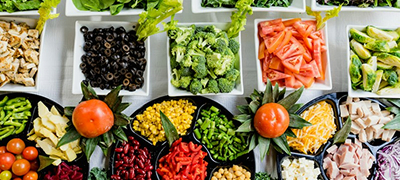


Over the past decade, the vegan diet has moved from a niche lifestyle choice to a mainstream health movement. Veganuary 2022 alone drew over 700,000 participants worldwide — and the numbers keep climbing. More people than ever are cutting out animal products for reasons ranging from cardiovascular health and weight management to environmental sustainability and ethics. But does the science actually back the hype — and is this diet right for everyone?
A vegan diet eliminates all animal-derived foods: meat, poultry, fish and shellfish, dairy, eggs, and ingredients like gelatin, whey, and casein. When well-planned, it can meaningfully reduce the risk of several chronic diseases. But it also has real nutritional blind spots — areas where deficiencies develop quietly, often before any symptoms appear. Acknowledging those gaps is not a weakness of the diet; it’s the foundation of doing it safely.
Table of Contents
What Is the Vegan Diet — and What Are Its Core Principles?
A vegan diet excludes all animal-derived foods and ingredients. The foundation is the full diversity of plant foods. Five principles separate a well-designed vegan diet from one that quietly undermines your health.
Principle 1: Variety Is Your Best Defense
The wider the range of foods on your plate, the lower your risk of nutrient gaps. One of the most common beginner mistakes is narrowing a vegan diet down to three or four familiar staples. A practical rule of thumb: every day, your plate should include representatives from at least five plant food groups — legumes, whole grains, nuts and seeds, vegetables, and fruit.
Principle 2: Legumes Are Your Primary Protein Source
Lentils, chickpeas, black beans, edamame, tofu, and tempeh should appear in your diet every day — they deliver not just protein, but also iron, zinc, and fiber. Practical rule: aim for at least one serving of legumes (about ¾–1 cup cooked / 150–200 g) at each main meal.
Principle 3: Fortified Foods Are Your Allies
Plant-based milks (oat, soy, almond), fortified breakfast cereals, and nutritional yeast are products to which manufacturers add calcium, vitamin D, and B12. Without them, meeting your needs for these nutrients from unfortified plant foods alone is virtually impossible. Always check the label — not all plant milks are fortified equally.
Principle 4: Supplements Are Not a Sign of a “Broken” Diet
Vitamin B12 does not exist in plant foods in a form the human body can absorb. Full stop. This is a biological fact, not a flaw in the diet. Daily B12 supplementation is a non-negotiable requirement for every vegan, regardless of how long they’ve been plant-based or how “clean” their diet is. Most vegans also benefit from vitamin D (especially in northern states and during winter months) and an algae-based omega-3 supplement.
Principle 5: Whole Foods Are the Rule, Not the Exception
There’s a meaningful difference between a whole-food plant-based diet and “junk food veganism” — potato chips, vegan candy bars, and heavily processed meat alternatives with a 30-ingredient label. The first delivers real, measurable health benefits. The second does not. A useful filter: most of your food should either have no packaging at all, or a short, readable ingredient list.
What to Eat on a Vegan Diet: Approved Foods and What to Limit
Foods to Eat — and Why They Matter
| Food Group | Examples | Why They’re Essential | Serving Notes |
|---|---|---|---|
| Legumes | Lentils, chickpeas, black beans, edamame, tofu, tempeh | Primary protein, iron, zinc, fiber | 1–2 servings/day (¾–1 cup cooked) |
| Whole Grains | Oats, brown rice, quinoa, farro, 100% whole grain bread | Complex carbs, fiber, B vitamins | Base of every meal |
| Dark Leafy Greens | Spinach, kale, broccoli, bok choy | Calcium, iron, folate, antioxidants | Daily, prepared in varied ways |
| Nuts & Seeds | Almonds, walnuts, chia, flax, pumpkin seeds | Plant-based omega-3, vitamin E, magnesium, zinc | ~1 oz (28 g) per day |
| Fruit | Any fresh or frozen | Vitamin C (boosts iron absorption), antioxidants | No restriction; 2–3 servings daily |
| Fortified Plant Milk | Soy, oat, almond with added calcium & vitamin D | Calcium, vitamin D, sometimes B12 | 1–2 cups (200–400 ml)/day |
| Nutritional Yeast | Flaked nutritional yeast (“nooch”) | Often B12-fortified; adds a savory, cheese-like flavor | 1–2 tbsp/day |
| Sea Vegetables | Nori, kelp, spirulina | Iodine (critical for thyroid function) | A few times per week — do not overdo kelp |
Foods to Limit or Avoid
| Food | Why | Restriction Level | Better Alternative |
|---|---|---|---|
| Ultra-processed “vegan” products | High sodium, added sugar, poor fat quality; minimal nutritional benefit | ⚠️ Eat sparingly | Whole food equivalents |
| Coconut oil in large amounts | High in saturated fat, which raises LDL (“bad”) cholesterol | ⚠️ Limit | Olive oil, flaxseed oil, hemp oil |
| Refined sugar & white bread | Empty calories; cause rapid blood sugar spikes | ⚠️ Minimize | Whole grains, fruit |
| Raw cruciferous vegetables (>1 lb/day) | Goitrogens may suppress thyroid function — only a concern at very high raw intake or with pre-existing thyroid disease. Cooking neutralizes most of this effect. | ⚠️ Moderate if you have thyroid disease | Cooked cruciferous vegetables — safe |
| Kelp / seaweed in high doses | Excess iodine is as harmful to the thyroid as too little | ⚠️ Max 1 portion a few times/week | Nori (lower iodine; gentler option) |
| Unvetted protein powder blends | Risk of heavy metal contamination; unregulated formulations | ❌ Always check brand and third-party testing | Whole-food plant protein sources |
Sample 7-Day Vegan Meal Plan
| Day | Breakfast | Lunch | Dinner |
|---|---|---|---|
| Monday | Oatmeal with berries, chia seeds, and fortified oat milk | Quinoa bowl with roasted chickpeas, avocado, and spinach | Creamy red lentil soup with whole grain bread |
| Tuesday | Whole grain toast with hummus, sliced tomatoes, and arugula | Lentil and beet soup (hearty and warming) | Stir-fried tofu with broccoli and brown rice |
| Wednesday | Smoothie: banana, spinach, soy milk, 1 tbsp ground flaxseed | Chickpea salad with cucumber, bell pepper, and tahini dressing | Braised vegetables with tempeh over buckwheat |
| Thursday | Buckwheat porridge with apple and cinnamon, handful of walnuts | Burrito bowl: black beans, rice, avocado, and fresh salsa | Roasted butternut squash soup with pumpkin seeds |
| Friday | Coconut yogurt with granola, mixed berries, and sunflower seeds | Leftover tempeh and buckwheat (meal prep win) | Spaghetti with lentil Bolognese, topped with nutritional yeast |
| Saturday | Oat milk pancakes with banana and pure maple syrup | Buddha bowl: edamame, brown rice, shredded carrot, sesame seeds | Thin-crust pizza with tomato sauce, zucchini, and tofu |
| Sunday | Toast with almond butter, banana, and chia seeds | Large salad with chickpeas, bulgur, and lemon-herb dressing | Stuffed bell peppers with lentils, brown rice, and mushrooms |
⚠️ Important Disclaimer. This meal plan is for illustrative purposes only. It does not account for individual calorie needs, food allergies, medical conditions, or medications.Always develop a personalized nutrition plan with a registered dietitian (RD) or your healthcare provider.
Who Should Approach the Vegan Diet With Caution
| Condition / Situation | Restriction Type | Why It Matters | What to Do Instead |
|---|---|---|---|
| Uncorrected B12 deficiency | ❌ Absolute contraindication | Without B12, the nervous system degrades and anemia develops — often silently, with symptoms appearing late | Do not start the diet without a supplementation protocol already in place |
| Severe iron-deficiency anemia | ⚠️ Relative | Plant-based (non-heme) iron absorbs less efficiently than animal-source iron; the condition may worsen | Proceed only under physician supervision with regular ferritin monitoring |
| Osteoporosis or significant calcium deficiency | ⚠️ Relative | Risk of further reduction in bone mineral density | Only with a registered dietitian; calcium + D3 supplementation required |
| Chronic kidney disease (CKD) | ⚠️ Relative | Plant-based diets tend to be higher in potassium and phosphorus — which impaired kidneys cannot adequately clear | Strictly under the care of a nephrologist and renal dietitian |
| Pregnancy and breastfeeding | ⚠️ Relative | Needs for B12, iron, folate, iodine, and DHA (critical for fetal brain development) increase sharply; errors can cause lasting harm | Only with close OB/GYN and dietitian supervision; supplementation is essential |
| Children and adolescents | ⚠️ Relative | Active growth demands consistent calcium, B12, vitamin D, zinc, and omega-3 — gaps are costlier at this stage | Only under medical supervision; pediatric nutrition society guidelines vary |
| Eating disorders (EDs) | ⚠️ Relative | Any restrictive dietary pattern can reinforce ED behaviors and become a vehicle for control rather than health | Only after working with a therapist and a multidisciplinary eating disorder team |
| Cancer patients undergoing chemotherapy | ⚠️ Relative | Elevated protein and nutrient needs; malnutrition risk is elevated during treatment | Only with your oncologist and a clinical dietitian |
💬 Bottom Line. If you’re in any of these categories, consult your healthcare provider before starting — not after you’ve already run into trouble.
What the Evidence Actually Says
Cardiovascular Health: The Strongest Case
A large-scale meta-analysis pooling data from 48 studies over 23 years (Capodici et al., PLOS ONE, 2024) confirmed that people who follow primarily plant-based diets have lower rates of cardiovascular disease and certain cancers. In plain terms: the heart and blood vessels tend to age more slowly when plants form the core of your diet.
Randomized controlled trials (RCTs) — the gold standard of clinical research — have shown that a vegan diet lowers LDL (“bad”) cholesterol, helps stabilize blood sugar, and supports weight loss, both in healthy adults and in those managing chronic conditions. For people with high blood pressure or elevated blood sugar, a well-designed vegan diet can be a meaningful complement to medical treatment — not a replacement for it.
Type 2 Diabetes: Promising Data
A 2024 analysis (Schlesinger & Schwingshackl, Advances in Nutrition) found that people with type 2 diabetes following a plant-based diet showed improved long-term blood sugar control — measured by HbA1c (a 3-month average of blood sugar levels) — along with weight reduction and, in some cases, reduced medication dosage.
The authors note an important caveat: whether improvements in insulin sensitivity and quality of life are independently attributable to the diet — rather than to accompanying lifestyle changes — still requires more high-quality evidence.
What Remains Unanswered
The science is confident that plant-based diets are associated with lower risk of heart disease, type 2 diabetes, and certain cancers. The honest “but”: no trial has yet directly demonstrated that this diet prevents heart attacks, strokes, or cognitive decline as singular outcomes. The research is moving in the right direction — it just hasn’t crossed the finish line on those specific endpoints.
It’s also worth noting that most studies were conducted on healthy adults who voluntarily adopted plant-based eating — people who, as a group, tend to be health-conscious in other ways too. Isolating the “pure” effect of the diet from other lifestyle factors remains a methodological challenge.
Common Myths About the Vegan Diet — Fact-Checked
Vegans Can’t Get Enough Protein from Plants
This myth persists because of a deeply ingrained mental image of protein as synonymous with meat. It’s true that most plant foods have less protein per 100 g than meat. But consider: cooked lentils contain roughly 9 g of protein per ½ cup, chickpeas 8–9 g, tofu 8 g, and tempeh an impressive 19 g per ½ cup. A 154-lb (70 kg) adult needs approximately 56–70 g of protein per day (the standard recommendation is 0.8–1 g per kg of body weight). Three servings of legumes per day comfortably covers that. The operative word is “variety”: by combining different plant protein sources throughout the day, you can supply all essential amino acids without any animal products.
Vegan Automatically Means Healthy
The “vegan” label on a package guarantees nothing about nutritional quality. Potato chips, vegan candy, and ultra-processed meat substitutes with 30-ingredient labels are all technically vegan — but a diet built primarily on these foods has all the hallmarks of poor nutrition: excess sodium, added sugar, refined fats, and minimal fiber. The evidence supporting vegan diets for health outcomes applies specifically to whole-food, plant-based patterns — vegetables, legumes, whole grains, and nuts. What matters isn’t the absence of meat; it’s the quality of what replaces it.
If You Eat Enough Plants, You’ll Get Enough B12
This is one of the most dangerous myths circulating in vegan communities. Vitamin B12 is produced by bacteria — and in nature, it reaches humans through animal products, where it accumulates after animals consume those bacteria from soil and water. Plant foods contain virtually no B12 in a form the human body can absorb. Research shows that vegans who do not supplement are 4.4 times more likely to have dangerously low B12 levels — while vegans who supplement consistently show B12 levels comparable to omnivores. The conclusion is unambiguous: if you’re vegan and not taking B12, you are almost certainly developing a deficiency — even if you feel fine right now.
The Vegan Diet Isn’t Suitable for Athletes
Olympic athletes, UFC champions, and elite marathon runners compete on plant-based diets. Yes, protein needs are higher for athletes — typically 1.4–1.8 g per kg of body weight per day depending on sport and training volume. But those needs are realistically met with plant foods when the diet is properly planned. Soy protein has an amino acid profile comparable to animal protein. The one practical note: at very high training volumes, a plant-based protein powder (pea-rice blend or soy) can simplify logistics — but it’s a convenience tool, not a requirement.
The Bottom Line
The vegan diet is a nutritional approach backed by a real — and growing — body of evidence, alongside real limitations that deserve equal attention. Research supports its potential to reduce the risk of cardiovascular disease, type 2 diabetes, and excess weight. But those benefits materialize only with careful planning, genuine dietary variety, and non-negotiable supplementation — first and foremost, vitamin B12.
If you’re considering a shift to plant-based eating, the best first move isn’t eliminating everything overnight. It’s scheduling a visit with a registered dietitian, getting baseline bloodwork done (B12, ferritin, vitamin D), and gradually expanding your repertoire of plant-based foods and recipes. For most healthy adults, a vegan diet can be a complete, nutritionally adequate choice — provided it’s planned, not just declared.