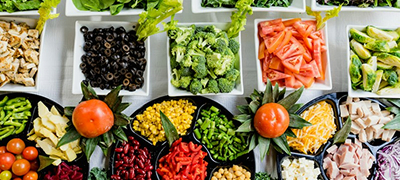


According to the World Health Organization, an estimated 39% of adults worldwide have raised total cholesterol (above 200 mg/dL, or 5.0 mmol/L). It’s one of the most common — and most underdiagnosed — modifiable risk factors for heart disease. Most people find out almost by accident: during a routine physical, or when a cardiologist orders a lipid panel because of blood pressure complaints. And the first thing most clinicians recommend, alongside any medication, is changing how you eat.
The good news: food really does work. A well-constructed diet can reduce LDL cholesterol — the “bad” kind, the particles that build up as plaque inside arteries — by 10–20% in 2–3 months. To put that in numbers: if your LDL sits at 155 mg/dL (4.0 mmol/L), you can realistically pull it down to roughly 125–140 mg/dL (3.2–3.6 mmol/L). For a meaningful share of people, that’s enough to delay or reduce the need for statins.
The catch: no single “superfood” is going to do this alone. It’s the whole pattern that moves the needle, not the daily handful of walnuts. This article doesn’t promise to “clean out your arteries in a week” — only the approaches that actually have evidence behind them.
You’ll learn: which fats to limit (and why not all of them), how soluble fiber works, why nuts help despite being calorically dense, a sample daily meal plan, contraindications, and answers to the most common questions.
The Principles of a Cholesterol-Lowering Diet
There’s no single magic dish that lowers cholesterol. What works is a stack of simple rules that act in parallel and reinforce each other. Here are the ones with the strongest evidence, drawn from the 2018 AHA/ACC Cholesterol Guidelines and the 2019 ESC/EAS dyslipidemia guidelines.
Principle 1: Less saturated fat, more unsaturated
Roughly half of the cholesterol in your blood is made by your liver; the other half comes from food. The biggest dietary driver of liver-produced cholesterol isn’t dietary cholesterol itself — it’s saturated fat: the kind found in fatty meats, sausage, butter, full-fat hard cheeses, and tropical oils (palm and coconut). When you eat a lot of it, your liver responds by cranking out more LDL.
The rule of thumb: keep saturated fat below 7% of daily calories. In practical terms, for an average woman that’s about 1 tablespoon of butter OR a 1.5 oz (50 g) slice of hard cheese per day — either, not both. Everything else should come from olive oil, avocado, nuts, and fish.
Principle 2: Trans fats — zero
Trans fats are industrially modified vegetable oils that make margarine firm and cookies crispy. They’re the single worst dietary fat for the heart: they simultaneously raise LDL (“bad”) and lower HDL (“good”) — and HDL is the one that acts as a janitor, hauling excess cholesterol back out of artery walls. The WHO recommends eliminating trans fats entirely, and the FDA banned partially hydrogenated oils (PHOs) from the U.S. food supply in 2018 (with a 2020 compliance deadline).
Where they hide: older commercial baked goods, certain shortenings, some imported snacks, and a few restaurant fryer oils still using non-compliant blends. On a label, look for the words “partially hydrogenated oil” — if you see it, put it back on the shelf. Note: a product can legally claim “0 g trans fat” if it contains less than 0.5 g per serving, so the ingredient list is more honest than the front-of-package claim.
Principle 3: Soluble fiber — 10 to 25 g per day
Soluble fiber is the kind that forms a gel in your gut. It acts like a sponge: it binds some of the cholesterol from food and bile and carries it out with stool.
You’ll find the most of it in oats, apples and pears, legumes, barley, flaxseed, and citrus. In oats it’s beta-glucan; in apples it’s pectin — different forms of the same sponge, both equally effective.
In practice: a bowl of oatmeal at breakfast + an apple + a serving of beans or lentils at lunch gets you roughly 10–12 g of soluble fiber. Trials show that 5–10 g per day lowers LDL by 5–11%.
Principle 4: Fatty fish twice a week
Fatty fish is rich in omega-3s — the long-chain EPA and DHA — which lower triglycerides (another lipid in your blood that, like cholesterol, contributes to arterial damage). Omega-3s have only a modest effect on LDL itself, but their overall cardiovascular benefit is well-established in large trials.
What to eat: salmon, mackerel, sardines, herring, trout — two 5 oz (150 g) servings per week. Baked, broiled, or steamed. Not breaded and deep-fried.
Principle 5: Plant sterols — 2 g per day
Plant sterols are molecules that look almost identical to cholesterol from the outside. In the gut, they crowd out cholesterol from being absorbed — there’s literally nowhere for it to dock — so it passes through. 2 g per day lowers LDL by about 10%.
Sources: sterols occur naturally in nuts, seeds, and vegetable oils, but to hit 2 g from food alone you’d need to eat almost 14 oz (400 g) of sunflower seeds — not realistic. In the U.S., the easier route is fortified products: spreads like Benecol and Smart Balance HeartRight, certain yogurts, and Minute Maid Heart Wise orange juice. Standalone supplements exist too. If you’re considering supplements rather than food sources, ask your doctor first — sterols can theoretically interact with cholesterol-absorption inhibitors (ezetimibe).
What to Eat and What to Limit
Restructuring how you eat isn’t about giving up everything you enjoy — it’s about smarter defaults. These two tables are worth printing for the fridge.
✅ Foods to add
| Food group | Examples | Why | Portion |
|---|---|---|---|
| Vegetables | Broccoli, spinach, carrots, eggplant, squash, all cabbages | Fiber, antioxidants, potassium (which helps blood pressure) | 14–18 oz (400–500 g) per day |
| Fruits & berries | Apples, pears, citrus, berries, avocado | Pectin (a soluble fiber) + polyphenols with anti-inflammatory effects | 2–3 servings per day |
| Whole grains | Oats, barley, buckwheat, quinoa, whole-grain bread, brown rice | Oat beta-glucan directly lowers LDL | 3–4 servings per day |
| Legumes | Lentils, chickpeas, black beans, kidney beans, peas | Up to 8 g of fiber per serving + plant protein in place of meat | 3–4 times per week |
| Fatty fish | Salmon, mackerel, herring, sardines | Omega-3s lower triglycerides, support heart rhythm | Two 5 oz (150 g) servings per week |
| Nuts & seeds | Walnuts, almonds, pistachios, flaxseed, chia | Unsaturated fats + plant sterols | Small handful (1 oz / 30 g) per day |
| Vegetable oils | Extra-virgin olive oil, canola, flaxseed (for cold dishes) | Replace saturated fats with unsaturated | 2–3 tablespoons per day |
| Skinless poultry | Chicken breast, turkey breast | Protein with minimal saturated fat | Up to 3.5 oz (100 g) per serving |
❌ Foods to limit
| Food | Reason | Severity | Better swap |
|---|---|---|---|
| Bacon, smoked sausage, salami | High in saturated fat and sodium | ❌ Cut out | Baked turkey or fish |
| Fatty cuts of red meat (ribeye, pork belly, lamb shoulder) | Saturated fat raises LDL | ⚠️ Rarely, 1–2x/month | Chicken breast, lean braised beef |
| Butter, margarine | Saturated fat / trans fats | ⚠️ Up to 1 tbsp butter/day; skip margarine made with PHOs | Avocado, tahini, olive oil |
| Full-fat hard cheeses (cheddar, parmesan, aged gouda) | Up to 30 g of saturated fat per 3.5 oz | ⚠️ No more than 1–2 oz (30–50 g)/day | Part-skim mozzarella, ricotta, cottage cheese |
| Full-fat dairy | Saturated fat | ⚠️ Switch to fat-free or 1–2% | 1% kefir, plain low-fat yogurt |
| Pastries, cake, store-bought cookies | Sugar + saturated fat (and sometimes leftover trans fats) | ❌ Cut out | Homemade baked goods with olive oil; fruit and nuts |
| Fast food, chips, processed snacks | Saturated fat + sodium + ultra-processing | ❌ Cut out | Nuts, air-popped popcorn, raw veggies |
| Egg yolks | About 185 mg of cholesterol per large yolk | ⚠️ Up to 3–4 yolks/week if LDL is high | Egg whites — unlimited |
| Sweetened drinks, fruit juice | Fructose raises triglycerides | ❌ Cut out | Water, unsweetened tea, black coffee |
| Alcohol | Raises triglycerides, taxes the liver | ⚠️ Minimize; if triglycerides are high, eliminate | Sparkling water, NA beverages |
⚠️ Note the gradient. ❌ means actually cut out. ⚠️ means limit — but don’t panic over a slice of cheese once a month. What works is consistency, not perfection.
What the Research Shows
Cholesterol-lowering nutrition is one of the most thoroughly studied topics in clinical nutrition. Below are the key trials that today’s guidelines lean on.
The Mediterranean diet
The most famous study is PREDIMED, a Spanish trial of more than 7,400 people at high cardiovascular risk who followed a Mediterranean diet supplemented with either extra-virgin olive oil or mixed nuts. After about 5 years, the risk of major cardiovascular events (heart attack, stroke, cardiovascular death) was roughly 30% lower than in the control group on a standard low-fat diet.
What this means in practice: the Mediterranean pattern (vegetables, fish, olive oil, legumes, whole grains, little red meat) isn’t one option among many — it’s the gold standard that every other heart-healthy diet gets benchmarked against.
The Portfolio Diet — a stacked approach
Canadian researcher Dr. David Jenkins developed the Portfolio Diet — a combination of four foods with reliable cholesterol-lowering effects: soluble fiber (oats, legumes), nuts (1 oz / 30 g per day), plant sterols (2 g/day), and soy protein. In 2018–2020 trials, the portfolio approach reduced LDL by 17–30%. For context: that’s in the same range as starting-dose statin therapy — from food alone.
What this means in practice: there’s no single “hero” food. The effect appears when multiple mechanisms run in parallel — fiber traps cholesterol, sterols block absorption, omega-3s lower triglycerides.
DASH and its cholesterol bonus
DASH (Dietary Approaches to Stop Hypertension) was originally developed by the U.S. National Heart, Lung, and Blood Institute to lower blood pressure. A large 2016 meta-analysis of 17 trials showed that DASH also lowers LDL by about 4 mg/dL (0.10 mmol/L) — a small but consistent bonus that stacks with the other interventions.
What this means in practice: for anyone managing high blood pressure and high cholesterol at the same time, DASH is the natural pick. Lots of vegetables, fruit, low-fat dairy, whole grains, and limited sodium.
What the evidence doesn’t (yet) prove
Most studies were done in people 40+ and largely in Western populations. Adherence in any free-living trial is imperfect, which always adds noise. And diet reduces risk — it doesn’t guarantee protection. Genetics, physical activity, smoking, and stress all carry their own weight.
Target Cholesterol Levels by Risk Category
Before you change your menu, know your numbers. The thresholds below combine the AHA/ACC framework (mg/dL, U.S. standard) with the 2019 ESC/EAS guidelines (mmol/L, international).
| Marker | Low risk | Moderate risk | High risk | Very high risk |
|---|---|---|---|---|
| Total cholesterol | <193 mg/dL (5.0) | <193 mg/dL (5.0) | <174 mg/dL (4.5) | <155 mg/dL (4.0) |
| LDL (“bad”) | <116 mg/dL (3.0) | <100 mg/dL (2.6) | <70 mg/dL (1.8) | <55 mg/dL (1.4) |
| HDL (“good”) | >40 (men) / >46 (women) mg/dL | same | same | same |
| Triglycerides | <150 mg/dL (1.7) | <150 mg/dL (1.7) | <150 mg/dL (1.7) | <150 mg/dL (1.7) |
How to gauge your risk category:
- Low: healthy adult under 40 with no other risk factors.
- Moderate: age 40–65, no diabetes or established cardiovascular disease.
- High: type 2 diabetes, long-standing hypertension, moderate chronic kidney disease.
- Very high: prior heart attack or stroke, type 1 diabetes with complications, familial hypercholesterolemia.
⚠️ Important: a lipid panel has to be interpreted by a clinician. The same number — say, LDL of 135 mg/dL (3.5 mmol/L) — is normal for a healthy 30-year-old and dangerously high for someone post–heart attack who needs aggressive correction.
A Sample Day on the Plan
This menu is illustrative. Calories are calibrated to a moderately active woman aged 30–55 (~1,800 calories) or a low-activity man. A registered dietitian can build a precise plan with full macronutrient breakdown around your numbers.
| Meal | Time | Sample dish | Why |
|---|---|---|---|
| Breakfast | 7:30–8:30 am | Oatmeal cooked in 1% milk or water, half an apple, 1 tbsp ground flaxseed, 5 walnut halves; unsweetened tea | Oat beta-glucan + apple pectin + flaxseed omega-3. A strong opening shot at LDL. |
| Snack | 11:00 am | 1 pear + 10 almonds | Soluble fiber + heart-healthy fats |
| Lunch | 1:30 pm | Lentil soup (~7 oz / 200 g) + baked chicken breast (3.5 oz / 100 g) + spinach-tomato salad with olive oil | Legumes + lean protein + vegetables |
| Snack | 4:30 pm | Plain 2% Greek yogurt (~5 oz / 150 g) + 1 tbsp chia seeds + ½ cup berries | Calcium + fiber + antioxidants |
| Dinner | 7:00 pm | Baked mackerel (5 oz / 150 g) + steamed broccoli with garlic + 3 tbsp quinoa | Omega-3s + fiber + whole grain |
| Evening | 9:30 pm | A glass of kefir or chamomile tea | A light close that doesn’t burden the liver |
This adds up to roughly 1,750 calories, 90 g of protein (the equivalent of 14 oz of chicken), 60 g of fat — less than 14 g of it saturated (one tablespoon of butter), 35 g of fiber (about triple the U.S. average intake), and the targeted 2 g of plant sterols.
⚠️ Caveat: this is a template. For people with diabetes, kidney disease, pregnancy, or anyone on statins, the specific plan should come from a dietitian working with your labs.
Who Should NOT Try This Diet Without Medical Supervision
This pattern of eating looks universally healthy, but several conditions make self-directed changes risky.
Absolute contraindications (work with a doctor)
Familial hypercholesterolemia (FH). This is a genetic disorder that pushes LDL to 310–500 mg/dL (8–13 mmol/L) — 3 to 5 times normal — from childhood. Diet alone won’t bring those numbers down; medication, often started early, is essential. Diet is an add-on, not a substitute.
After a heart attack or stroke. Diet here is part of a formal cardiac rehabilitation protocol, not a self-experiment. Any restriction of calories or fats has to be cleared by your cardiologist.
Acute pancreatitis or active chronic cholecystitis. Fatty fish, nuts, and olive oil are heart-healthy but can trigger flares when the pancreas or gallbladder is inflamed. Treat first, adjust diet second.
Relative contraindications (individualized approach)
Type 1 and type 2 diabetes. Changing the ratio of carbohydrates to fats affects blood sugar — you may need to recalculate insulin doses or change oral medications. Do this with your endocrinologist.
Pregnancy and breastfeeding. Cholesterol naturally rises in pregnancy; it’s a physiological process, not a disease. Aggressive fat restriction in this window can be harmful to fetal development. Any reduction should be on direct medical advice.
Chronic kidney disease. Limiting animal protein, managing potassium (abundant in many vegetables and fruits), and watching phosphorus makes this diet considerably more complex than “just eat less saturated fat.”
Taking statins or other lipid medications. Some foods — grapefruit being the most famous — affect drug metabolism. And as the diet starts to work, your statin dose may need to come down. That call belongs to your doctor, not you.
If you’re unsure: talk to your clinician before starting, not after symptoms appear.
Who Benefits Most
Adults with moderately elevated cholesterol, not yet on medication
This is the largest group for whom diet is a genuine alternative to medication. If LDL is in the 135–175 mg/dL (3.5–4.5 mmol/L) range and there are no other major risk factors, U.S. guidelines often allow a 3–6 month trial of lifestyle change before starting a statin.
People with metabolic syndrome
Metabolic syndrome means at least three of: abdominal obesity, high blood pressure, high fasting glucose, and an abnormal lipid panel. This diet hits all four levers at once — lowers blood pressure (potassium, less sodium), improves insulin sensitivity (more fiber, fewer refined carbs), and lowers LDL.
People with elevated cardiovascular risk
Men over 45 and women over 55, anyone with a family history of early heart disease, those with hypertension or extra weight — even at “normal” cholesterol, this diet is preventive. It works ahead of the curve.
Patients already on statins
Diet doesn’t replace medication — it amplifies it. Trials show that combining statins with the Portfolio approach yields an additional 10–15% LDL reduction compared to medication alone. Sometimes that allows a dose reduction. That decision is your doctor’s.
Common Myths and Mistakes
Myth: Eggs spike your cholesterol
One of the stickiest myths. A large egg yolk does contain about 185 mg of dietary cholesterol, and for decades cardiologists capped intake at 2–3 eggs per week. The logic seemed obvious: you eat cholesterol → it ends up in your blood.
A large 2020 meta-analysis of more than 1.7 million participants found that for healthy adults, eating up to one egg per day was not associated with increased cardiovascular risk. Your liver compensates: the more cholesterol you eat, the less it makes. The exceptions are people with type 2 diabetes and FH, who do better limiting yolks to 3–4 per week. Egg whites have no restrictions for anyone.
Myth: Fat-free is automatically better
A fat-free yogurt or sour cream sounds ideal — no fat, no cholesterol. The problem is that manufacturers often add more sugar, starch, or stabilizers to compensate for taste and texture. A fat-free fruit yogurt can have the same calories as the full-fat version with less satiety, so you end up eating more.
Better strategy: pick 1–2% dairy with no added sugar over “0% fat” loaded with ingredients. The label tells the story.
Myth: Coconut oil is a healthy butter replacement
The wellness marketing of the 2010s anointed coconut oil a superfood. The reality: it’s 82% saturated fat — more than butter (63%). A 2017 American Heart Association advisory explicitly recommends against using coconut oil as the primary cooking fat for anyone with elevated cholesterol.
For high-heat cooking: regular (light) olive oil, avocado oil, or canola. For dressings: extra-virgin olive oil. For baking: avocado or applesauce as partial fat substitutes.
Myth: Diet works in two weeks
We all want fast results, but the body needs time. First measurable changes in labs typically appear at 6–8 weeks of consistent eating; the full effect at 3–6 months. This is normal — cholesterol isn’t blood sugar reacting to one meal. It accumulates slowly and falls slowly. If you didn’t retest at 4 weeks and didn’t see a “miracle,” that doesn’t mean nothing is working.
The Bottom Line
A cholesterol-lowering diet isn’t a temporary cleanse — it’s a long-term shift in habits. Done right, it delivers a 10–20% reduction in LDL over 2–3 months. But it works when you swap habits, not when you white-knuckle a month and crash. Fatty meat → fish and legumes. Butter → olive oil. Cookies → nuts and fruit.
Start small: this week, add a bowl of oatmeal at breakfast and one fish dinner. Next week, swap butter for olive oil and add a daily handful of nuts. Within a month, the habits set themselves — without it feeling like a “diet.” At 8–12 weeks, retest with your doctor and see what’s moved.
And don’t forget: nutrition is a powerful lever, but only one of several. 150 minutes a week of moderate exercise, no smoking, weight and blood pressure management — these stack. Together, the result is bigger than the sum of the parts.