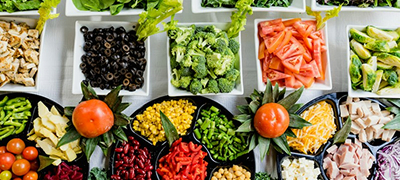


Vitamin C is one of the most famous nutrients on the shelf — and one of the most mythologized. Surveys suggest roughly 70% of people believe megadoses “cure a cold,” about a third take it in “immune-boosting” courses, and it’s a perennial best-seller in any pharmacy. Yet according to a 2024 NIH review, mild vitamin C deficiency still shows up in 6–10% of adults eating a typical Western diet — mostly among smokers, people on restrictive diets, and older adults.
This article is about what vitamin C actually does in the body, how much you really need, and why megadoses rarely make sense. You won’t find advice like “take 4,000 mg at the first sniffle” here — doses like that don’t cure anything and can cause side effects. Your real requirement depends on age, lifestyle (smoking and pregnancy above all), and health status; a clinician sets the specific dose when there’s an actual condition to treat.
Below: what vitamin C does, the signs of deficiency, daily targets by group, food sources with a content table, absorption and nutrient interactions, timing, supplement forms, and the most stubborn myths — including the famous “Linus Pauling 3 grams” story.
Table of Contents
Signs of Vitamin C Deficiency
Vitamin C deficiency is rarely as dramatic as the textbook scurvy from history books (you almost never see it where fresh produce is available). Far more common is hidden deficiency — symptoms are already there, but the person doesn’t connect them to their diet.
Obvious symptoms (hard to miss)
Bleeding, inflamed gums. One of the classic, most recognizable signs. Vitamin C is required to build collagen — the protein that gums and the walls of small blood vessels are made of. No vitamin C, and those vessels turn fragile, gums bleed when you brush, and inflammation sets in.
Slow-healing cuts and scrapes. If an ordinary scratch takes weeks to heal instead of 5–7 days, that’s a cue to check a few nutrients — and vitamin C is first on the list. Without it, the body can’t lay down the normal collagen “scaffold” that new tissue forms on — think rebar inside concrete.
Bruises out of nowhere. Dark marks on your arms and legs after minor knocks — or no knock at all — point to fragile small vessels. This, too, traces back to a weakened collagen base in their walls.
Dry, rough skin. With prolonged deficiency, hair follicles get plugged with the protein keratin, and the skin on your shoulders, thighs, and buttocks turns rough and bumpy — what’s commonly called “chicken skin” (keratosis pilaris). It’s not cosmetic; it’s a signal something’s missing.
Hidden symptoms (you feel them but don’t connect the dots)
Fatigue and lower stamina. Vitamin C helps make carnitine — a molecule that works like a shuttle, ferrying fatty acids into the mitochondria (your cells’ power plants). When it’s short, the body literally burns fat for fuel less efficiently — hence the heaviness and apathy.
Frequent colds and slow recovery. Vitamin C doesn’t prevent colds in healthy people, but when you’re deficient, immune cells (especially neutrophils and lymphocytes — the immune system’s “soldiers”) work less well: infections take hold more easily, and recovery drags on.
Low mood. Several studies (an Antioxidants review, 2020) have linked low vitamin C levels to lower mood in hospitalized patients. The mechanism: vitamin C helps produce neurotransmitters (notably norepinephrine, which drives alertness) and protects the brain from damage.
⚠️ Important: a real diagnosis comes from a clinician who sees all the symptoms together and, if needed, orders a blood test for vitamin C. Self-diagnosing from a single symptom is unreliable — many of these are nonspecific and can point to other deficiencies (B12, iron, folate) or conditions entirely.
Recommended Daily Intake by Group
Targets differ from one body to the next. The table below shows the recommendations from the NIH (United States) and EFSA (the European counterpart), which underpin most clinical guidelines.
| Group | Age | Target (RDA / AI) | Ceiling (UL) | Note |
|---|---|---|---|---|
| Infants | 0–6 mo | 40 mg (AI) | not established | Breast milk/formula only |
| Infants | 7–12 mo | 50 mg (AI) | not established | + solid foods |
| Children | 1–3 yr | 15 mg | 400 mg | |
| Children | 4–8 yr | 25 mg | 650 mg | |
| Children | 9–13 yr | 45 mg | 1,200 mg | |
| Teens | 14–18 yr (boys) | 75 mg | 1,800 mg | |
| Teens | 14–18 yr (girls) | 65 mg | 1,800 mg | |
| Men | 19+ | 90 mg | 2,000 mg | Baseline |
| Women | 19+ | 75 mg | 2,000 mg | Baseline |
| Smokers | any age | +35 mg to baseline | 2,000 mg | Body burns through more |
| Pregnant | 19+ | 85 mg | 2,000 mg | |
| Breastfeeding | 19+ | 120 mg | 2,000 mg | Losses through milk |
Source: NIH Office of Dietary Supplements (Vitamin C Fact Sheet, updated 2024); EFSA DRV (2013, current).
UL (Tolerable Upper Intake Level) is the ceiling at which a daily dose from all sources combined is still considered safe for a healthy person.
Notice the bump for smokers. Their blood vitamin C runs 25–30% lower than non-smokers’ even on an identical diet — the body burns through it faster putting out the “fires” cigarette smoke leaves behind. A similar correction applies to secondhand smoke, though the exact figure isn’t pinned down. Athletes with heavy training loads are often advised to take 100–200 mg/day, but that’s a ballpark, not a hard rule — the science here is less clear-cut.
⚠️ Doses above 2,000 mg/day won’t make you “more immune” — they’ll only raise your risk of digestive upset, oxalate kidney stones (in those who are predisposed), and interference with how some medications are absorbed. Details in the overdose and timing section.
Where to Get Vitamin C from Food
Vitamin C is one of the few nutrients you can fully cover through food alone. A cup of chopped red bell pepper or a handful of black currants covers a full day’s target with room to spare.
| Food | Per 100 g (≈ 3.5 oz) | % Daily target (90 mg) | Notes |
|---|---|---|---|
| Rosehips (fresh) | 426 mg | 473% | The champion among common foods |
| Yellow bell pepper | 184 mg | 204% | |
| Black currants | 181 mg | 201% | Holds up well frozen |
| Parsley (fresh) | 133 mg | 148% | A 10–20 g sprig = 15–25 mg |
| Red bell pepper | 128 mg | 142% | Available year-round |
| Kiwi | 93 mg | 103% | 1 fruit ≈ 60–70 mg |
| Broccoli (raw) | 89 mg | 99% | ~50–60% survives cooking |
| Brussels sprouts | 85 mg | 94% | Great winter source |
| Green bell pepper | 80 mg | 89% | Less than red |
| Strawberries | 59 mg | 65% | Seasonal source |
| Orange | 53 mg | 59% | 1 medium ≈ 70 mg |
| Lemon (peeled) | 53 mg | 59% | Juice of 1 lemon ≈ 30 mg |
| Green cabbage (raw) | 36 mg | 40% | Sauerkraut keeps 50–70% |
| Grapefruit | 31 mg | 34% | |
| Potato (boiled in skin) | 13 mg | 14% | A high-volume source in the diet |
Source: USDA FoodData Central (fdc.nal.usda.gov); values for raw foods unless noted.
A few practical takeaways. First, lemons and oranges aren’t the record-holders — peppers, currants, and kiwi easily beat them. Second, cooking destroys 15–50% of vitamin C depending on heat and time — the most loss comes from long boiling in an open pot, the least from a quick sauté or steaming. Third, air, metal cookware, and light lower the content too — eat cut vegetables promptly, and drink fresh juice right after you make it.
Your body absorbs vitamin C from food and supplements about equally well (per a 2021 Nutrients review), so “natural” and “synthetic” work the same. The edge food has is its entourage: alongside vitamin C you get fiber and dozens of plant compounds that reinforce one another, like instruments in an orchestra.
A note for U.S. readers: black currants and fresh rosehips are easy to name on paper but harder to find in American stores — currant cultivation was federally restricted for much of the 20th century and is still limited in some states. If you can’t source them, lean on the foods that are everywhere: red bell peppers, kiwi, broccoli, strawberries, and citrus all do the job.
What Vitamin C Is Actually For
Vitamin C works as a “helper” for dozens of enzymes and, at the same time, as one of the body’s main cell-protectors — one that dissolves in water (so it reaches everywhere there’s blood and fluid between cells). Its five main jobs are below.
1. Building collagen and connective-tissue health
This is probably its most underrated function. Without vitamin C, two enzymes that “stitch” collagen molecules into a strong three-dimensional structure simply stop working — again, think rebar in concrete. No vitamin C, no rebar, and the new collagen comes out defective and falls apart fast.
Collagen is the foundation of skin, blood vessels, bones, tendons, ligaments, and gums. The classic scurvy symptoms — bleeding, tooth loss, slow healing — are essentially defective collagen from a lack of vitamin C. Even hidden deficiency affects how fast surgical wounds heal — which is why it factors into surgical-recovery protocols.
2. Protecting cells from damage
Vitamin C is one of the blood’s main water-soluble “guards.” It neutralizes so-called “oxygen fragments” — aggressive molecules that appear every time the body works (breathing, exercise, stress) or meets something harmful (UV rays, smog, cigarette smoke). Without protection, these molecules damage cells from the inside. That’s exactly why smokers need more.
Vitamin C’s other superpower: it “recharges” vitamin E. Once vitamin E has done its job, it loses its punch — and C brings it back into the fight, like swapping a battery without taking it out of the remote. The two work as a tandem: E shields the fatty membranes of cells, C covers the watery part of blood and cellular fluid.
3. Supporting immune function
Here you have to be precise. Vitamin C does not prevent colds in healthy people on a normal diet — that’s what the largest Cochrane review found (Hemilä & Chalker, 2013, updated 2023). Taking 200+ mg/day regularly may shorten symptom duration by about 8% in adults and 14% in children — in practice, 6–12 hours per cold. Starting it “at the first symptom” doesn’t change the course of the illness.
What vitamin C genuinely does: it supports the barrier function of skin and mucous membranes, fuels and protects the immune system’s “soldiers” (neutrophils, macrophages), and takes part in how T- and B-lymphocytes operate. If you’re truly low on vitamin C, immunity weakens for real. But getting your level up to normal (through food or a modest supplement) restores that defense.
4. Absorbing iron from plant foods
The body absorbs iron from plants (legumes, greens, grains) poorly: of every 100 mg on the plate, only 2–10 mg reaches your cells. For comparison, 15–35% is absorbed from meat — several times more.
Eat a source of plant iron together with vitamin C, and the vitamin “switches” the iron into a different chemical form — one the intestinal wall lets in far more readily. Absorption can rise 2- to 3-fold.
This matters especially for vegetarians, vegans, and people with plant-based iron-deficiency anemia. The practical rule: pair a plant iron source with a vitamin C source — a chickpea-and-bell-pepper salad; broccoli with your grains; spinach with a lemon-juice dressing.
5. Making neurotransmitters and carnitine
The brain needs vitamin C: without it, dopamine can’t be converted into norepinephrine — the neurotransmitter behind focus and alertness. Separately, it helps make carnitine — the “shuttle” that carries fat into cells to be “burned.”
This partly explains why deficiency brings persistent fatigue and lower mood: both the energy processes and the brain’s “chemistry” take a hit.
Absorption and Interactions with Other Nutrients
Vitamin C is absorbed well in the small intestine, but there’s a “ceiling.” At a single 200 mg dose, 80–90% reaches the bloodstream; at 500 mg, 60–70%; at 1,000 mg, about 50%; and at 1,500+ mg the share drops sharply and the excess simply exits in your urine. That’s the main reason single megadoses make no sense: the body just can’t absorb them.
What improves absorption
Spreading the dose across the day. Taking 250 mg two or three times a day produces a higher overall blood level than 1,000 mg at once. If you take a supplement — split the dose.
Taking it with food. This lowers the risk of stomach irritation (especially with harsher forms like plain ascorbic acid) and slightly slows absorption, which is good for a steady blood level.
Bioflavonoids. Natural plant compounds (such as hesperidin or rutin, plentiful in citrus peel) work in tandem with vitamin C and boost its protective effect. It’s one argument for the orange over the tablet.
What hinders absorption or raises the demand
Smoking and secondhand smoke. Smokers’ blood vitamin C runs 25–30% lower than non-smokers’ even on an identical diet — the body burns through it faster.
Alcohol. Drink regularly and vitamin C is both absorbed worse in the gut and excreted faster in urine — the body loses it from both ends at once. Deficiency is common among people with alcohol dependence.
Certain medications. Oral contraceptives, high-dose aspirin, tetracycline, and barbiturates can lower vitamin C levels. Separately — warfarin: large doses of vitamin C may affect how well it works.
High-dose vitamin C and B12. Taking large doses (1,000+ mg) alongside a B12-rich meal could, in theory, reduce B12 absorption — clinically minor for healthy people, but those at risk of B12 deficiency (older adults, vegans) should space the two apart.
High-dose vitamin C and copper. Take more than 1,500 mg daily for years (nearly 17 times the daily target) and the body has a harder time absorbing copper — another important trace mineral.
⚠️ If you take anticoagulants or chemotherapy drugs, or you’re undergoing cancer treatment, talk to your doctor before starting vitamin C at doses above 200–500 mg. Some interactions are clinically significant.
When and How to Take Vitamin C
For someone who eats well, a separate supplement isn’t necessary. If you do need one (restrictive diet, post-surgery recovery, heavy training loads, or cold-and-flu season on a clinician’s advice), here are a few guideposts.
Time of day. It makes no real difference — vitamin C works morning or night. Some people avoid taking it in the evening, worried about a “wakefulness effect,” but there’s no direct evidence it stimulates the nervous system. If you notice that reaction in yourself, move it to the morning.
With food or on an empty stomach. Better with food — it lowers the risk of stomach discomfort, especially at doses from 500 mg. If your goal is to boost iron absorption from plant foods, take it right along with them.
Splitting the dose. As above, for doses over 200 mg it makes sense to split into 2–3 servings. The one-shot 1,000 mg “hit” is effervescent-tablet marketing, not physiology.
In courses or continuously. A healthy person doesn’t need a “vitamin C course.” If your diet has enough vegetables and fruit, supplements are redundant. If a clinician has confirmed a deficiency, supplement until your levels normalize, then go back to food.
⚠️ Specific therapeutic doses — for deficiency, surgical prep, or particular conditions — are set by a clinician. Self-prescribing “1,000 mg every day forever” isn’t a safer strategy than sticking to the target; it’s a riskier one.
Supplement Forms (optional reading)
Pharmacy shelves carry dozens of forms. The differences between them are smaller than the marketing promises, but a few are worth knowing.
| Form | Absorption | Pros | Cons | Best for |
|---|---|---|---|---|
| Ascorbic acid | High (~80–90%) | Cheapest, effective | Acidic, can irritate the stomach | Most healthy people |
| Sodium ascorbate | High | Gentler on the stomach (buffered) | Adds sodium (~130 mg per 1 g) | Sensitive stomachs; caution if hypertensive |
| Calcium ascorbate | High | Mild, non-acidic | Adds calcium | Sensitive stomachs |
| Liposomal vitamin C | Somewhat higher, especially at high doses | Better tolerated in large doses | Pricier | Specific protocols, as prescribed |
| Ester-C® | Similar to ascorbic acid | Marketed as “gentle” | Pricier, benefits overstated | A marketing niche |
| Natural forms (acerola, rosehip) | High | Naturally occurring flavonoids | Less precise dosing, pricier | Those who prefer “natural” on principle |
For most healthy people, ordinary ascorbic acid at 200–500 mg is the best value for the money. Buffered forms (sodium or calcium ascorbate) are worth considering for a sensitive stomach. Liposomal forms have an edge at high doses, but for everyday use the premium isn’t justified.
⚠️ Effervescent forms usually pack in a lot of sodium, sugar substitutes, and dyes — that’s not “vitamin water,” it’s a supplement with a pile of extra ingredients. Read the label.
Vitamin C Myths
“High doses of vitamin C cure colds”
Where it came from: mostly Linus Pauling’s book Vitamin C and the Common Cold (1970). Pauling won two Nobel Prizes — but in nutrition science, his hypothesis didn’t hold up. He recommended 1–3 grams a day and more, for general health and cold prevention.
What the science showed: the updated Cochrane review (Hemilä & Chalker, 2013, with later additions) analyzed dozens of clinical trials and found no preventive effect in the general population. Regular intake may shorten symptoms by 8–14%, but starting at the first symptom doesn’t change the course. The exception: people under extreme physical stress — marathoners, skiers at altitude. For them, studies did find that regular intake lowers cold risk.
“Natural vitamin C from rosehips beats synthetic”
Chemically, the ascorbic acid molecule is identical regardless of origin. Comparative studies (Carr & Vissers, 2013; a 2021 Nutrients review) found no clinically meaningful difference in absorption.
Why the myth survives: natural sources contain not just vitamin C but flavonoids, polyphenols, and fiber — and that’s genuinely valuable. But the benefit comes from the whole food (the rosehip as a berry), not from a “rosehip extract” tablet, which often contains the same ascorbic acid plus a little extract.
“Effervescent vitamin C is a healthy drink”
Effervescent tablets often contain 60–100 mg of sodium per dose, sweeteners (aspartame, acesulfame), and artificial dyes and flavors. If you take them daily and have high blood pressure, that’s a small but real addition of sodium to your diet. A plain capsule — or a red bell pepper — delivers the same effect without the extra baggage.
“You can’t overdose on vitamin C — it’s water-soluble”
The fact that the excess leaves in your urine doesn’t mean high doses are harmless. Doses above 2,000 mg/day can cause diarrhea, nausea, and heartburn. In susceptible people — kidney stones: part of the vitamin C converts to oxalates in the body, which can crystallize and form stones when there’s too much.
Separately — caution for people with inherited iron-overload conditions (hemochromatosis, thalassemia): large doses of vitamin C further “rev up” iron absorption and can worsen their condition.
The Bottom Line
Vitamin C is a nutrient where simplicity matters more than marketing. For a healthy person with a varied diet (vegetables, fruit, and greens every day), supplements are mostly redundant: a cup of chopped pepper, a handful of currants, or a single kiwi already covers the day’s target. It’s a different story for smokers, people on restrictive diets, vegetarians with low iron, and anyone recovering from surgery or illness — there a supplement makes sense, but the dose and duration are better set with a clinician than by guesswork.
The practical move for today isn’t to chase down a bottle — it’s to look at your plate: is there fresh produce on it every day? If yes, you’re already getting more vitamin C than you’ll need. If not, start simple — one serving of bell pepper, some parsley in a salad, a kiwi or an orange a day settles the question more reliably than any fizzy tablet.